American Road Launches: More Than Harley - The Real Story of North America's Cruiser Scene
"It's not just Harley" - an Oakland-raised dirt tracker's inaugural column reveals the true richness of North American motorcycle culture, from Indian to bobber custom scenes.
KEY TAKEAWAYS
- North American cruiser culture is layered across Harley-Davidson, Indian, dirt track, and European interpretations—not one brand alone.
- Separating brand history, racing, and regional custom scenes exposes differences hidden by the single label “American.”
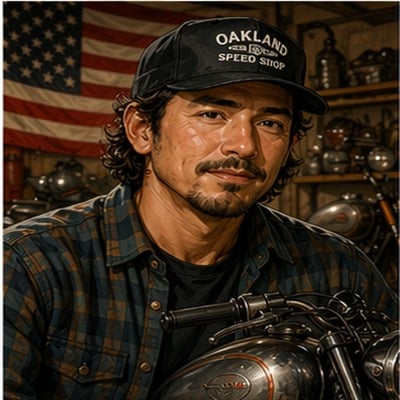
I grew up in Oakland, trained at a custom shop, and raced dirt track. It's not just Harley, I want everyone in Japan to know the real richness of North American motorcycle culture. That's the simple reason I started American Road. Over in Japan, the image is strong: "North American bike scene = Harley-Davidson." And sure, Harley is a symbol of North American culture. But looking back on my days in Oakland, it was never that simple. The guys who gathered in the garage rode Harleys, rode Indians, raced dirt track, or were busy building scramblers. Under the single label of "rider," everyone was in the same place. That's the richness I want to share.
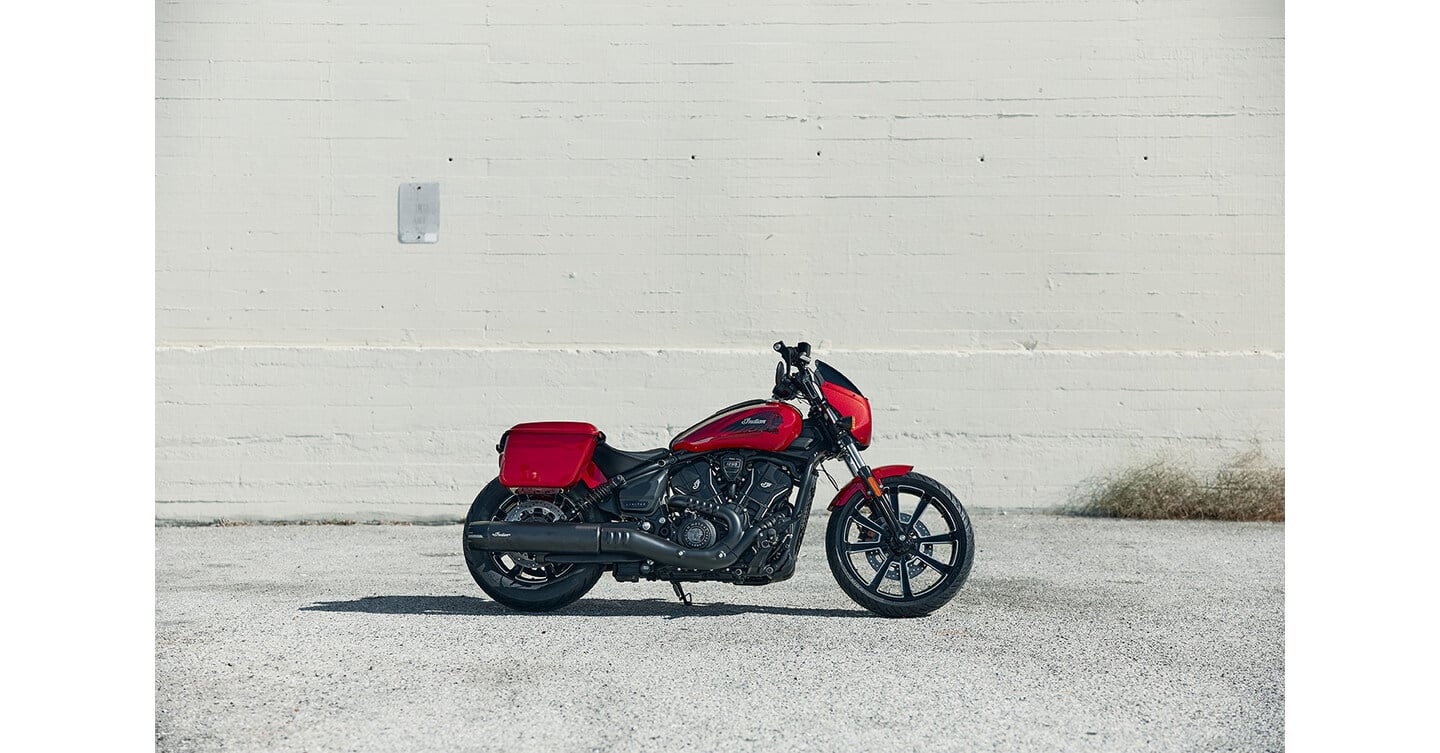
In America, the cruiser scene today is genuinely diverse. Ever since Indian Motorcycle's revival began in 2011, the era of Harley's total dominance has broken down. Or, to be more precise, it hasn't broken down so much as "opened up." Indian's Chief and Challenger have established themselves as clearly distinct alternatives to Harley's Softail and Touring lines. Each has its own community, its own culture. In Oakland, it wasn't unusual to see an Indian and a Harley parked side by side in the same garage. Owners of each respect the other's bike. "Harley people" and "Indian people" being at odds, that only happens in the movies. Just look at today's North American cruiser scene, and it's obvious: it's not just Harley.
In Oakland, dirt track racing was the symbol of that. Riding stripped-down bikes with no bumpers or safety gear around a flat oval dirt course, AMA dirt track is a scene where Harleys and Indians race mixed together, and it's become one of the roots of cruiser culture. In America, motorcycles are often directly tied to both motorsport and daily life. Race on the weekend, grill with your buddies afterward, then ride the same bike to work the next week, that kind of use is completely normal. It's a different sense of distance from motorcycles than in Japan. Dirt track especially symbolizes this: a scene where pros and weekend riders stand on the same track is something uniquely American. The equipment doesn't even need to be expensive. Some guys race flat trackers built out of old Harley Sportsters. That's what makes it cool.
I'll write about Harley too, of course. Harley is North American culture itself, and the move to spin off its EV line as the LiveWire brand is also interesting. But what I want this column to convey is the bigger picture of the whole North American bike scene: the custom shop scene, the cultural lineage of bobbers and choppers, the current state of AMA racing, the differences between Indian and Harley customer bases, it's all connected. In America, motorcycles are simultaneously "a symbol of something" and "a practical tool." In Oakland, there were genuinely a lot of people making their living off bikes, not just repair and custom work as a profession, but delivery too. The culture of earning a living on two wheels hasn't changed one bit.
With American Road, I'm going to deliver the whole vibe of the scene to Japan, not just what you can pick up from English-language media. Using my own connections and firsthand reporting, I'll bring you the direct voice of the North American bike scene. It's not just Harley, the richness of North American motorcycle culture, I intend to prove that every single time. Next up, I'm planning to put Indian's flagship head to head with Harley's CVO. Look forward to it.
There's one thing I want to tell riders in Japan. In America, the idea of a "bike you only ride on weekends" barely exists. Motorcycles are woven into everyday life. That was true not just in Oakland, but in Texas, California, and New Mexico too. I believe there's a real possibility that bikes in Japan could shift from being an "extraordinary vehicle" to "part of everyday life" as well. In America, that's already a reality. "It's not just Harley" isn't only about the vehicles, it's about the depth of motorcycle culture itself. I'll keep delivering the richness of the North American scene, issue after issue. Look forward to it. My years growing up in Oakland are soaked into every part of this column, and I promise to deliver that whole atmosphere along with it.
Sources and references
Public information cited or consulted while preparing this original feature.