Is EV Worth It? Part 2: The Fixed-Battery Answer — Reading Honda's UC3 by the Numbers
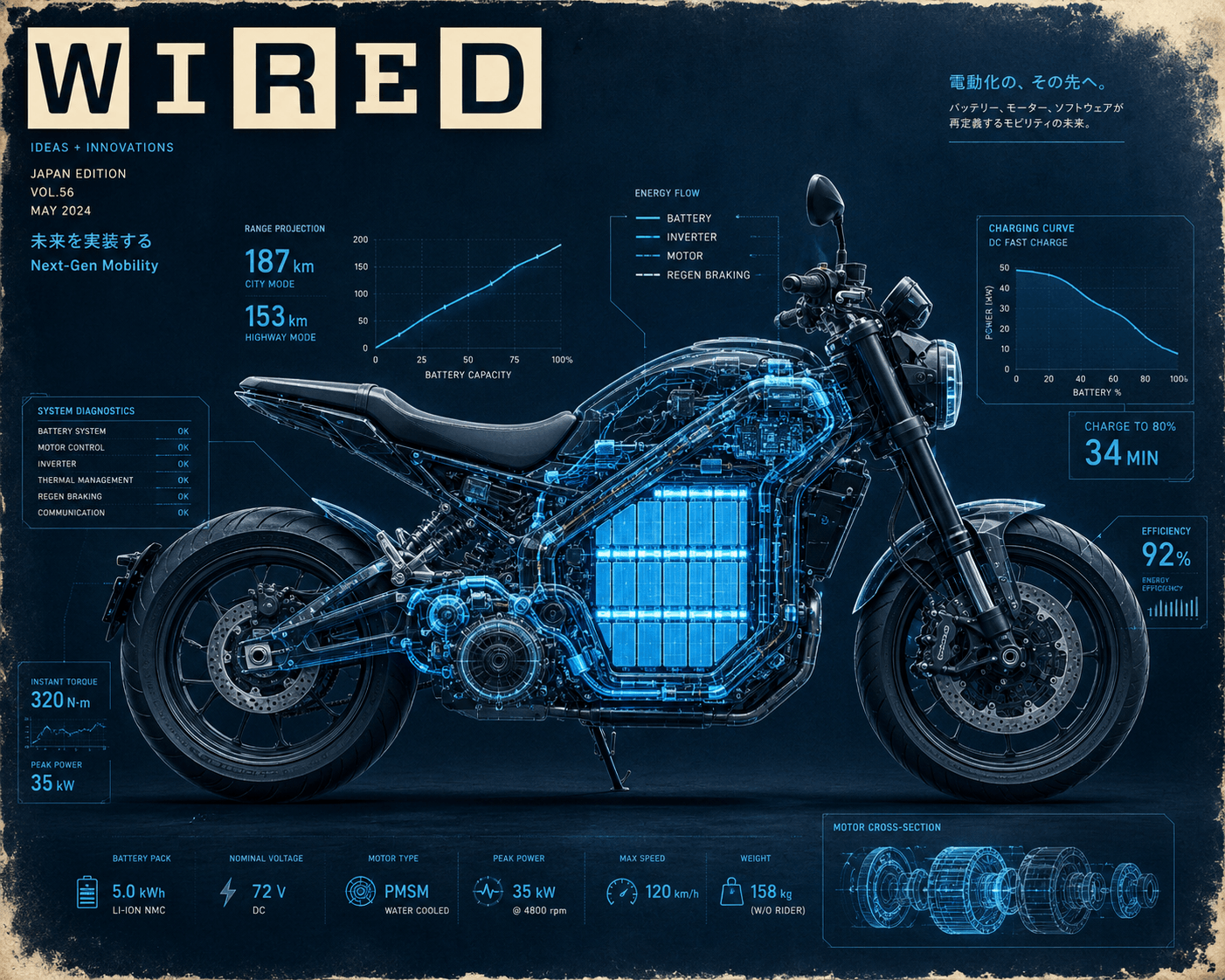
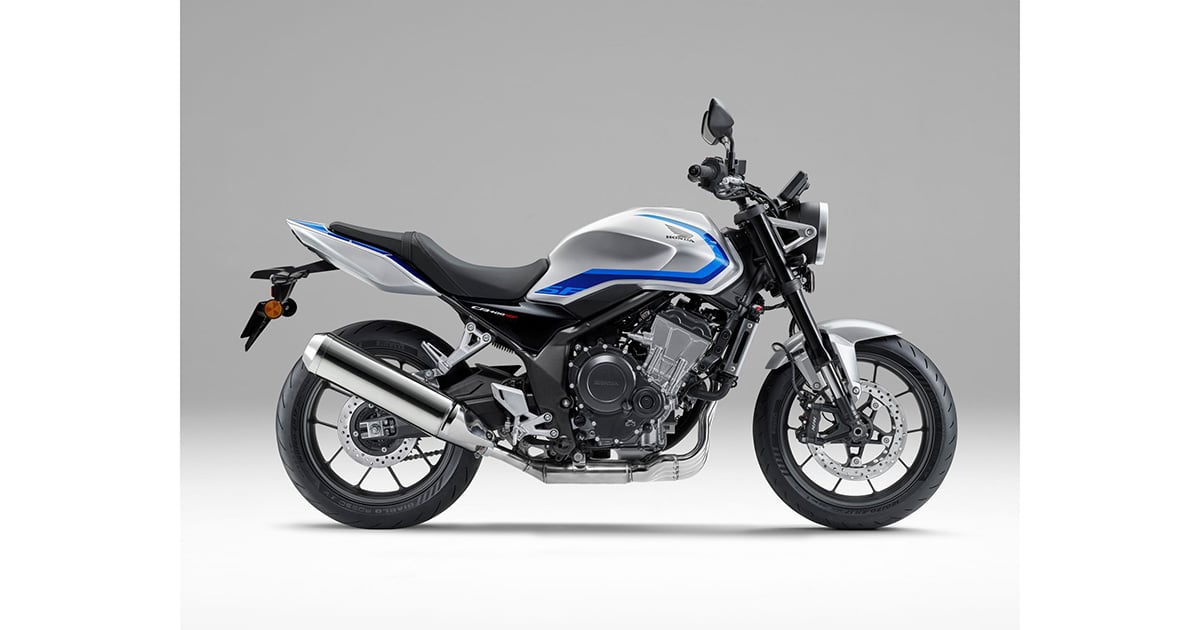
Swappable or fixed? Honda's fixed-battery commuter UC3, launched in Thailand and Vietnam, offers one answer to the infrastructure debate around electric two-wheelers. This installment verifies the rationality of that choice with data, not sentiment.
KEY TAKEAWAYS
- The Honda UC3 uses a fixed LFP battery, demonstrating that electric commuters need not follow a battery-swapping-only model.
- Electric motorcycles are likely to split between fixed and swappable batteries according to daily range and charging access.
There's a long-running debate in the world of electric two-wheelers: should the battery be "swappable" or "fixed"? With a swap system, you exchange a depleted battery for a charged one at a station in seconds. With a fixed system, you charge at home or at any outlet on hand. Which is right? Honda's electric commuter UC3, launched in Thailand and Vietnam, answered with a clear choice: a fixed battery. As a follow-up to part one, where I wrote about "the reality of choosing an electric bike in 2026," this time I want to verify the rationality of that choice through structure and data, not sentiment.
First, let's lay out the structural cost of the swap system. Its advantage is a zero-wait-time charging experience, but hidden behind it is an enormous fixed cost: building and maintaining a network of swap stations, keeping a stock of spare batteries beyond what demand requires, and managing battery degradation and standardization. In other words, the swap model isn't a business of "selling batteries" — it's a business of "operating infrastructure," and turning a profit on it requires high population density and frequent usage. A fixed system, by contrast, uses the existing power grid as its infrastructure as-is. Charge at home overnight, and it's full by morning. For predictable-distance use cases like commuting or errands, this almost never causes a problem. The urban commuter use case the UC3 targets across Asia fits this condition exactly.
Next, let's look at usage data. Daily mileage for an urban two-wheeler commuter typically stays within several dozen kilometers. If you can charge at home overnight, that's not a distance that raises range anxiety during the day. The swap system's "full in seconds" experience is appealing, but if your usage pattern doesn't require a daily trip to a swap station in the first place, there's little reason to pay for that appeal. Honda is a company that has also separately built out a swappable Mobile Power Pack network. And that same company chose a fixed system for its mass-market commuter. I read this not as "the swap system losing," but as a statement of an obvious, easily overlooked fact: the optimal answer differs by use case.
In fairness, let me spell out the fixed system's weaknesses too. The biggest challenge is disparity in charging environments. For a household with parking at a standalone house, overnight charging is easy, but outlets are still rare at parking areas for apartment buildings. Until this is solved, a fixed system remains, for a certain segment of city dwellers, a vehicle you can buy but can't charge. The same situation applies in the Southeast Asian cities where the UC3 is launching first, and the next issue will be adoption measures paired with housing conditions — standardizing charging equipment at parking areas, workplace charging, and so on. Second, battery degradation over time. As anyone with a smartphone has experienced, lithium-ion battery capacity shrinks with repeated charge cycles. With a swap system, the infrastructure side absorbs the degradation; with a fixed system, the owner bears it. When making a purchase decision, you should always check the battery's warranty period and replacement cost. Third, reduced range in winter. In low temperatures, a battery's effective capacity shrinks, so it's correct to read catalog range as an "ideal value at room temperature." My assessment is that even accounting for all of this, it still holds up for commuting use — but recommending it while hiding its weaknesses would go against this column's principles, so I'm laying them out plainly.
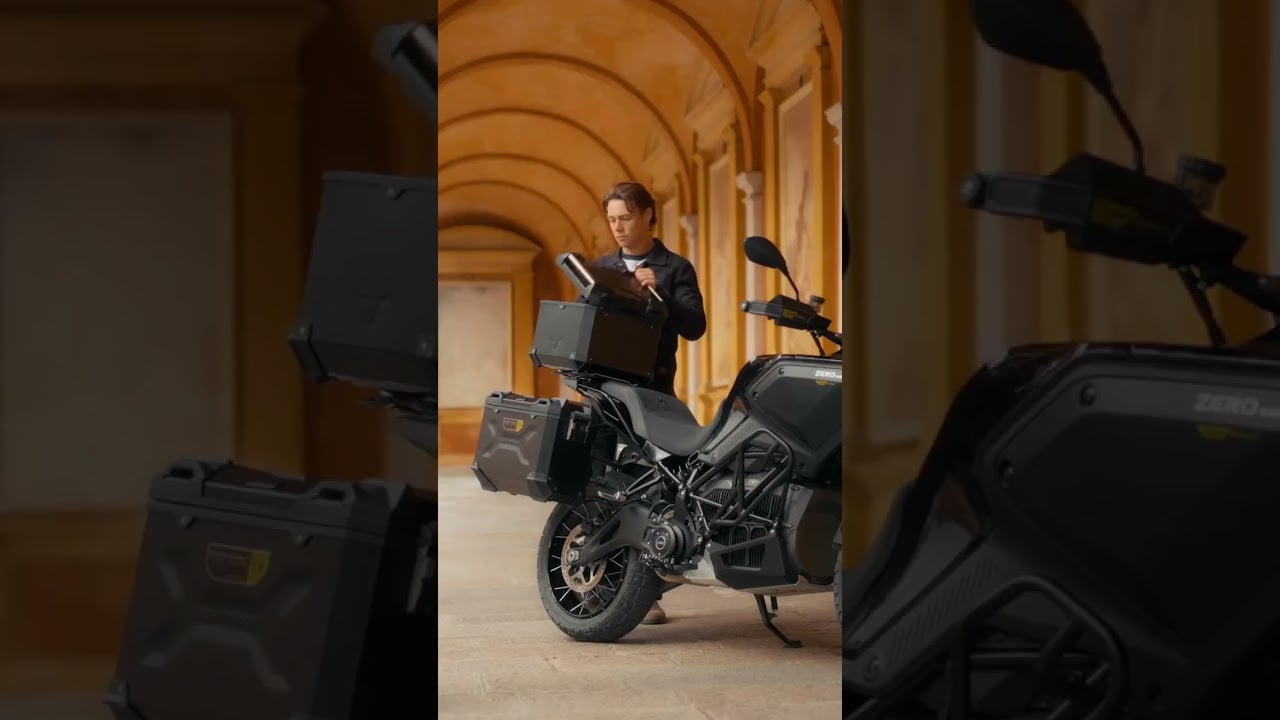
So what about the hobbyist side of electric? Zero has released a special Black Forest Edition of the DSR/X, and the category of electric adventure bikes is quietly growing too. For long-distance touring use, charging networks and range are still a constraint, but flip that around, and for a day trip on forest roads or a commute-cum-weekend-ride use case, the current fixed system already works. The conclusion I drew in part one — that electric isn't a "replacement" for internal combustion, it's a matter of "coexistence" — has become more concrete with the arrival of the UC3. Here's the yardstick for whether it's worth buying: if your daily mileage is predictable and you can charge at home or at work, a fixed-battery electric commuter is already a rational choice. For touring trips of unpredictable distance, internal combustion still has the edge, for now. Decide with your own riding log, not sentiment. Next time, I want to calculate the actual running costs of electric — electricity costs and maintenance costs — lined up against internal combustion.
The estimates and assessments in this piece are, of course, based on the current market environment. Battery pricing and charging infrastructure are fast-moving areas, and the premises here may well have shifted six months from now. That's why this column intends to periodically recalculate the same questions. Not fixing a conclusion in place — that, I believe, is the integrity of someone who argues from data. If you have questions or objections, please bring them to the comments. I always welcome a data-backed counter-argument. Only a steady accumulation of level-headed discussion can properly illuminate the future of electric.
Sources and references
Public information cited or consulted while preparing this original feature.