This Week's Race Watch Points, Launch Issue: Why a Former Pro Is Breaking Down MotoGP 2026
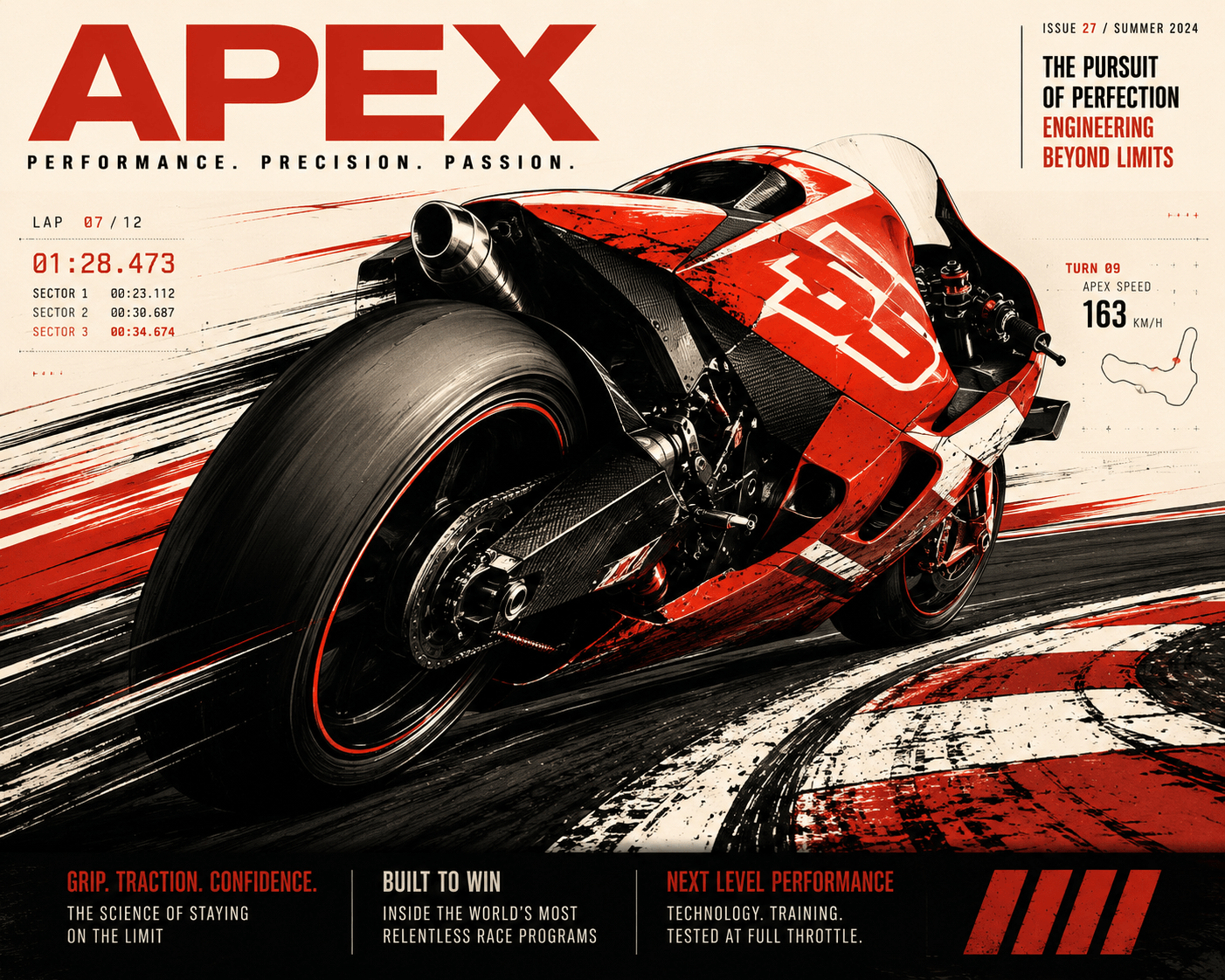
MotoGP 2026 marks the final chapter before new regulations take hold. In this inaugural installment, a former pro racer draws on hands-on paddock experience to break down pit strategy, rider psychology, and tire management race by race.
KEY TAKEAWAYS
- MotoGP becomes more legible when braking points, tyre temperature, and body movement are considered alongside the visible timing screen.
- Ahead of the 2027 850cc rules, the 2026 season must be read through both immediate race results and next-generation development.
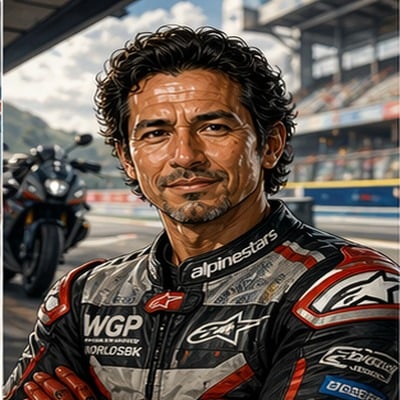
I was in the grand prix pit lane in my twenties, and in my thirties I raced Superbikes around the world. Now I've picked up a pen instead, but my fingertips still remember the feel of the throttle. There's one reason I'm starting 'This Week's Race Watch Points': the 2026 MotoGP season is going to be the most complex season to read that we've ever had — and I think there are still very few people in Japanese-language media who can explain it from firsthand paddock experience. There are more and more articles out there that analyze races using telemetry data and strategy charts. But when it comes to questions like 'why did that rider make that choice in that corner,' there are things you simply can't see without the feel you get from having lived it inside the pit. That's what I want to write about.
Let me start with the structure of the season. The 2026 MotoGP season is the last one under the current regulations before the switch to new rules in 2027. The 1000cc four-cylinder engines, the current aero packages, the current electronics rules — all of it could be overhauled starting next year. That's why teams are splitting into two camps: those pouring every resource into this year's championship, and those prioritizing development for next year's new regulations. That difference in temperature shows up clearly inside the pit. You can even see traces of that strategic divide in how a rider runs from corner entry to corner exit. Veteran riders and young riders respond to this transitional period differently, too. Veterans, who compete on experience, tend to focus on this year's championship, while younger riders with longer careers ahead of them into next season and beyond are more eager to get actively involved in machine development aimed at the new rules. A subtle friction builds up between teams and riders — and I expect that to surface again and again this season.
Speaking as someone who's watched this firsthand, transitional seasons like this are exactly what makes racing interesting — because individual rider skill comes to the fore. When machine performance is closely matched, what ultimately separates riders is their read on the race and their nerve. From corner entry to corner exit — choosing the brake point, controlling the throttle while leaned over, timing when to get heat into the tires — no matter how good the data engineers are, in the end it's the rider who makes the call on instinct. Telemetry data can be reviewed afterward, but what a rider was actually thinking in that corner is something only someone who's heard it firsthand in the pit really understands. Conveying that is the heart of this column.
There are several storylines worth watching in 2026. One is how Ducati's continued dominance, and Honda and Yamaha's fight back against it — or, more realistically, their struggle to fight back at all — plays out in the numbers. Another is how far KTM manages to climb back from its financial crisis. Inside the pit, all sorts of information about KTM's situation had been circulating since last year — the state of factory operations, whether technical development could keep going, contract negotiations with riders — none of it was encouraging. Even so, the fact that they're still putting in competitive rides owes a great deal to the quality of their riders. Even with an unstable machine, there's only so much a rider's skill can cover for — and where that limit lies is exactly what this season will reveal. Speaking as someone who's watched this firsthand, that's the part I'm most looking forward to.
What I want to do with this column isn't just line up starting grids and results. Why did that lap time happen? Why did that rider lose momentum in that corner? Why did pit strategy backfire? — Digging into the technical and tactical background from a former pro's perspective is the point. Racing is fun just to watch. But it's even more fun when you watch it with understanding. Follow along with me from corner entry to corner exit. That's my promise for this season.
One more thing worth flagging for this season: a shift in tire strategy. The new-spec rear tire Michelin has introduced for the 2026 season is designed to reach operating temperature faster than the previous version. With warm-up completing earlier — from corner entry all the way through corner exit — riders who can push hard from the opening laps gain an advantage. Speaking as someone who's watched this firsthand, I see this as a change that ties directly into race-start tactics. How riders handle the warm-up lap and manage tires on the grid — that's where you should expect to see differences in how each rider adapts. When you watch a race, pay especially close attention to the first five laps from the start. That's where the key to reading this season is packed in.
Sources and references
Public information cited or consulted while preparing this original feature.