This Week's Racing Watch Points, Part 2: Quartararo to Honda — How to Read the Transfer Market
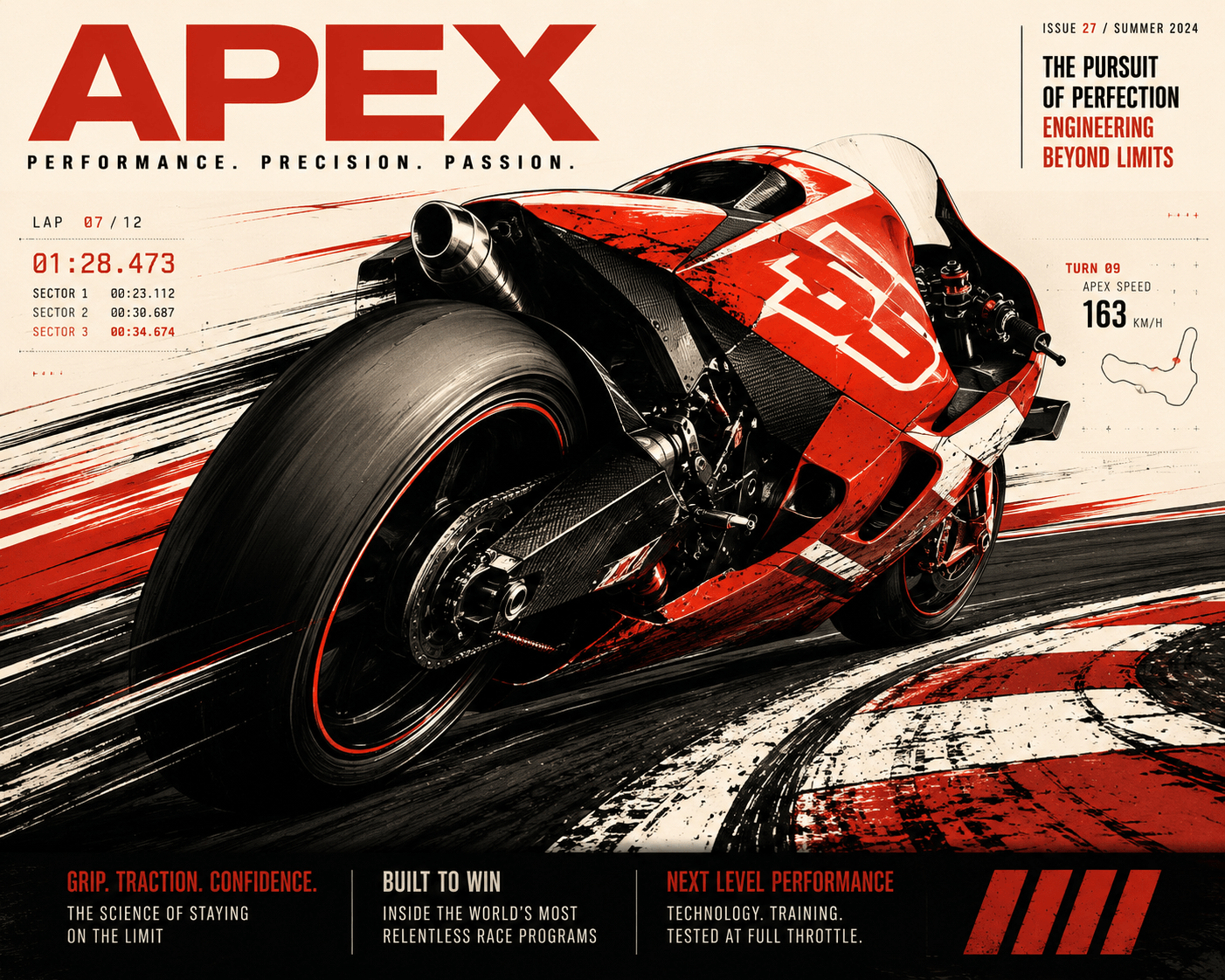
The official announcement has confirmed that 2021 champion Fabio Quartararo will join Honda for 2027. Combined with Acosta's move to Ducati, the competitive landscape is shifting fast. A former pro breaks down 'how to read the transfer market' from inside the pit.
KEY TAKEAWAYS
- The 2027 MotoGP contracts, including Quartararo’s Honda move, show manufacturers positioning their development programmes ahead of the 850cc era.
- The rider market is best read not as a name shuffle, but as a match between rider strengths and machine development under new rules.
The pieces are almost all on the board. It's now official: Fabio Quartararo will join Honda starting in 2027 — a move by the 2021 champion who has long carried Yamaha on his back. Combined with Acosta's already-confirmed move to the Ducati factory team in 2027 and Marquez's contract extension through 2028, you could say the skeleton of the 2027 grid is now visible. As I promised in the debut issue, this time I'm focusing my 'watch points' on the hottest topic in racing right now — the transfer market. You can read the headline news anywhere. What I write about is what's moving between the lines of an announcement.
First, let me lay out the basic premise: transfer pieces start moving long before any announcement. It was the same back when I was racing. The first wave in summer decides the championship-caliber seats, mid-tier chairs fill in by autumn, and finally the young guns fight over what's left. What stands out about the Quartararo move is its timing. 2027 is the year the machine regulations switch to 850cc, resetting development for every team from scratch. In other words, this market isn't about betting on 'whose bike is fastest right now' — it's about betting on 'whose development squad will win two years from now.' A former champion chose to bet on post-reset upside rather than the current pecking order. Keep that framework in mind, and the announcement looks completely different.
Next, let's talk pit dynamics. A rider transfer is never just one person moving. A trusted crew chief, a data engineer, sometimes even mechanics move together with the rider — because you can't build overnight the kind of relationship where you put corner-entry-to-exit feel into words for someone else. So when a factory is serious about signing a rider, they prepare not just one seat but an entire 'island.' It hasn't been announced how much of a support crew Quartararo will bring with him, but I see that as the single most important factor in how fast he'll be up to speed in 2027. Then there's the Ducati side of the equation. A young fang named Acosta and a seasoned champion named Marquez, under the same roof. Data gets shared, and the air in the garage gets tense. From the outside, that tension makes for the best drama there is.
Let me add one lesson from history: a blockbuster transfer is most beautiful the moment it's announced, and hardest in year one. The habits of the previous rider are baked into the machine, and everything from initial brake bite to the throttle map's opening curve fights against your body. Even a champion-caliber rider usually needs time to rediscover their form in a new environment. So if Quartararo struggles early in 2027, that's not proof of failure. What you should watch isn't lap time — it's the margin of improvement session to session, and how specific his own comments get. There's a world of difference in the depth of dialogue with the team between someone who can only say 'there's no grip' and someone who can say 'here's what's happening at this exact phase of corner entry.' What I learned in my own career is that speed is talent, but rebuilding is a skill of dialogue. When you judge a transferred rider's first year, look past the results sheet for signs that the dialogue behind it has started clicking. Fans who can read that will find the racing ten times more interesting.
Finally, let me tell you how to enjoy this transfer market. There are three ways to read it. One: watch the leftovers. Who slides into the seat vacated after a big name moves reveals what each camp is really thinking. Two: track the test rider appointments. The lineup of people entrusted with 850cc-era development is a trailer for the power balance two years from now. Three: watch the 'order' of the announcements. The camps that move first are often the ones actually under the most pressure — a champion with room to spare tends to sign last, with a smile. Behind the standings battle in the second half of the season, this game of musical chairs will keep getting answered piece by piece. I'll be watching how Quartararo rides for the rest of this season. How a champion rides out his final year with a team he's leaving — that's where a rider's true caliber shows. Next time: a look ahead at the second half of the season.
One more thing I forgot to mention — this column welcomes questions from readers. Whether it's how to read transfer rumors or what pit work actually involves, drop it in the comments and I'll pick it up and answer. Having seen the paddock from the inside, I think part of this column's job is closing the distance to the grandstand. The world of speed only gets more interesting the more you know about it. Showing you what you can't see from the stands — that's my job. So I'll see you at the next grid. It's a summer that makes me miss the smell of the paddock, but this year I've got the best seat in the house as a writer.
Sources and references
Public information cited or consulted while preparing this original feature.
![[Video] Indian Motorcycle Launches Its Racing Division, ARO (American Racing Operations)](/_next/image?url=https%3A%2F%2Febcyllahemayvlukmyyw.supabase.co%2Fstorage%2Fv1%2Fobject%2Fpublic%2Farticle-images%2F0a5c9fc9-07eb-4310-b02a-e602c84d9de3.jpg&w=3840&q=85)