European Rider Dispatch #2: The Bikes Regulation Erases — What Is Europe Giving Up Right Now?
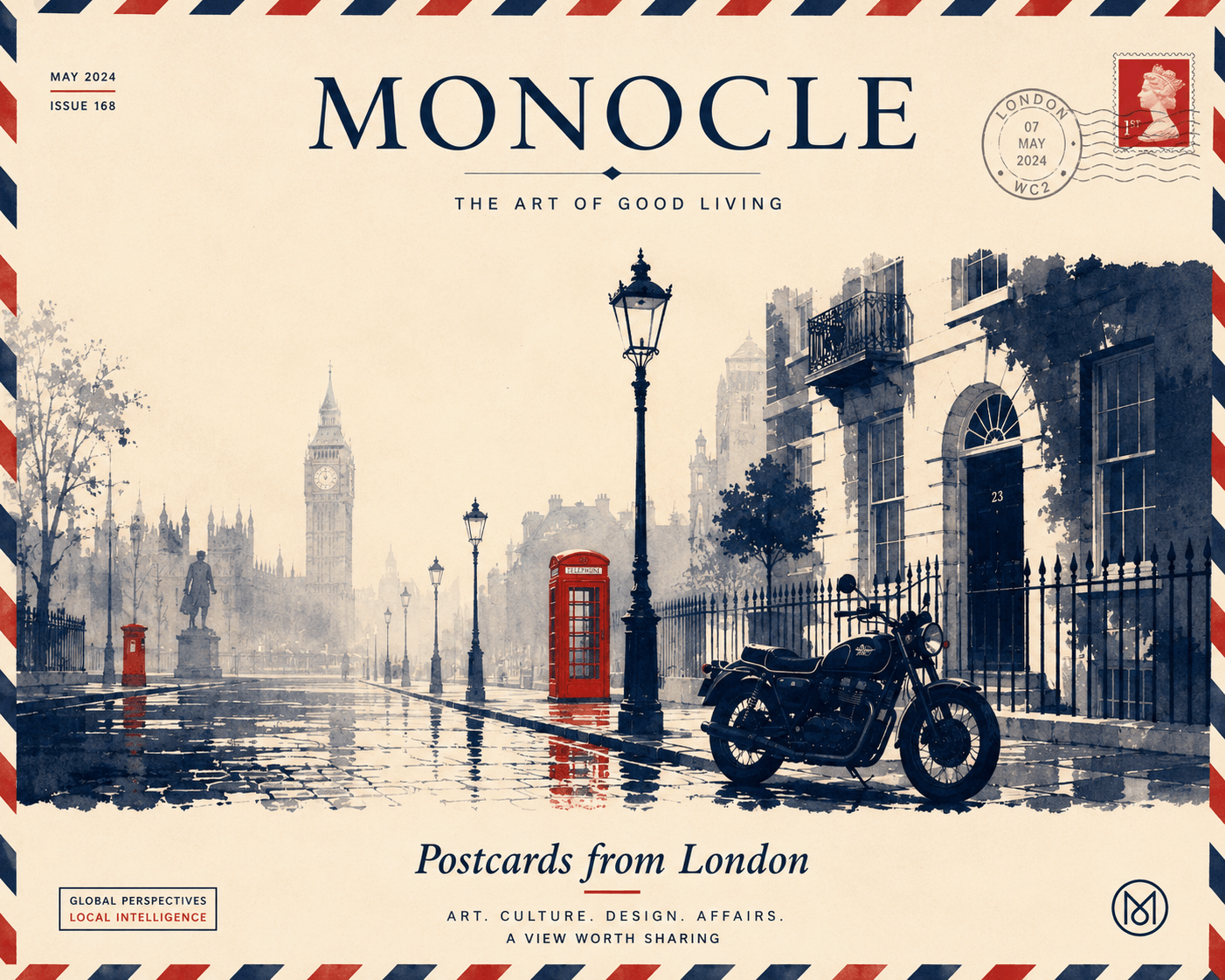
Euro5+ has quietly buried some models, and regulation is moving toward an even stricter stage of OBD requirements. Living in Europe taught me that regulation is neither friend nor foe. I want to talk about what we're giving up.
KEY TAKEAWAYS
- Euro 5+ applies to existing vehicle types from 2025, and stricter OBD-related requirements now influence whether motorcycles remain in European ranges.
- The regulation should be assessed across emissions, development cost, classic-bike culture, and changing consumer choice—not performance alone.
Last time I wrote about the EVs and the city I saw in London. This time I want to look at Europe from the other side — the internal combustion side. Over the past few years, every time I open a European bike magazine, the phrase 'discontinued' shows up more and more. It's never a dramatic accident or a scandal. The reason is usually a single line: 'failed to meet emissions regulations.' Euro5+, which came into effect in 2024, didn't dramatically change the standards themselves from the previous generation. But the requirements for onboard self-diagnostics — OBD — stepped up a notch, and low-volume models that couldn't recoup the development cost of upgrading to meet them began quietly disappearing. And by most reports, regulation is set to move to an even stricter OBD stage from here. What living in Europe taught me is that regulation is neither an enemy nor an ally. It's a raw statement of what society chooses to prioritize.
From Japan, emissions regulation might look like just another technical hurdle for manufacturers to clear. But on the ground over there, it feels much rawer. When I lived in London, the city was genuinely split over the expansion of ULEZ — the Ultra Low Emission Zone. Younger generations demanding environmental protection on one side, suburban workers furious that it amounts to a new tax on people who can't afford a newer car on the other. Motorcycles get caught in the gap between the two. They pollute far less than cars, yet under the regulatory net they're often lumped in with four-wheelers anyway. In terms of its relationship with society, European motorcycling right now sits right on the fault line between the good intentions of environmental policy and the older ideal of mobility freedom. It's not something you can settle by casting someone as the villain. That's what makes it hard.
So what's disappearing? The first to take the hit are small-displacement bikes and low-volume characterful machines. A model that sells only a few thousand units a year still needs the same compliance development budget as one from a major manufacturer. The numbers don't add up, so it's the first to drop off the catalog. Isn't that ironic? The smallest bikes with the lightest environmental footprint, and the culturally rich oddballs, are the ones weeded out first — by the logic of economics, not emissions. What's left are the big-displacement bestsellers that can spread the development cost thin across huge volumes, or models that have simply pivoted to electric. From European street corners, a certain kind of 'just-right irrationality' is disappearing, one bike at a time. In my head I understand it's for the sake of the environment, but in my chest I still mourn it. Factually, the regulation is pointed in the right direction. But emotionally, I think someone ought to keep a record of what's being lost.
Don't get me wrong — I'm not trying to make an argument against regulation. Cleaner air is better. Especially the air our children breathe. What keeps nagging at me is that when we talk about regulation, we always count what's being protected, and never what's being given up. Europe is quietly prepaying, right now, with part of its motorcycle culture, for the sake of an environmental future. I want to add the name of every disappearing bike to that bill. I think that's the least someone who's lived over there for a long time can do. So that the next time you spot an old bike on the street and realize you can no longer buy it new, that sense of loss doesn't just fade into simple nostalgia.
Sources and references
Public information cited or consulted while preparing this original feature.

![[Video] MV Agusta Unveils the Brutale 1000 ABT, a Special Model Collaboration With ABT](/_next/image?url=https%3A%2F%2Febcyllahemayvlukmyyw.supabase.co%2Fstorage%2Fv1%2Fobject%2Fpublic%2Farticle-images%2F1121d65b-0a25-4d21-9077-46c76a5ab102.jpg&w=3840&q=85)